Mice get into Georgia houses through gaps as small as a quarter inch — roughly the width of a pencil — around pipes, cables, vents, garage doors and rooflines. A mouse's body compresses far more than people expect; if its head fits, the rest follows. Finding and sealing those specific gaps is the whole game of keeping mice out.
What the evidence says: The quarter-inch rule surprises everyone
The quarter-inch rule surprises everyone: young mice need even less, which is why gaps homeowners dismiss are the ones that matter.
Why it happens: Utility penetrations are the top entry class
Utility penetrations are the top entry class — every pipe, wire and line that enters the house passes through a hole that is bigger than the pipe.
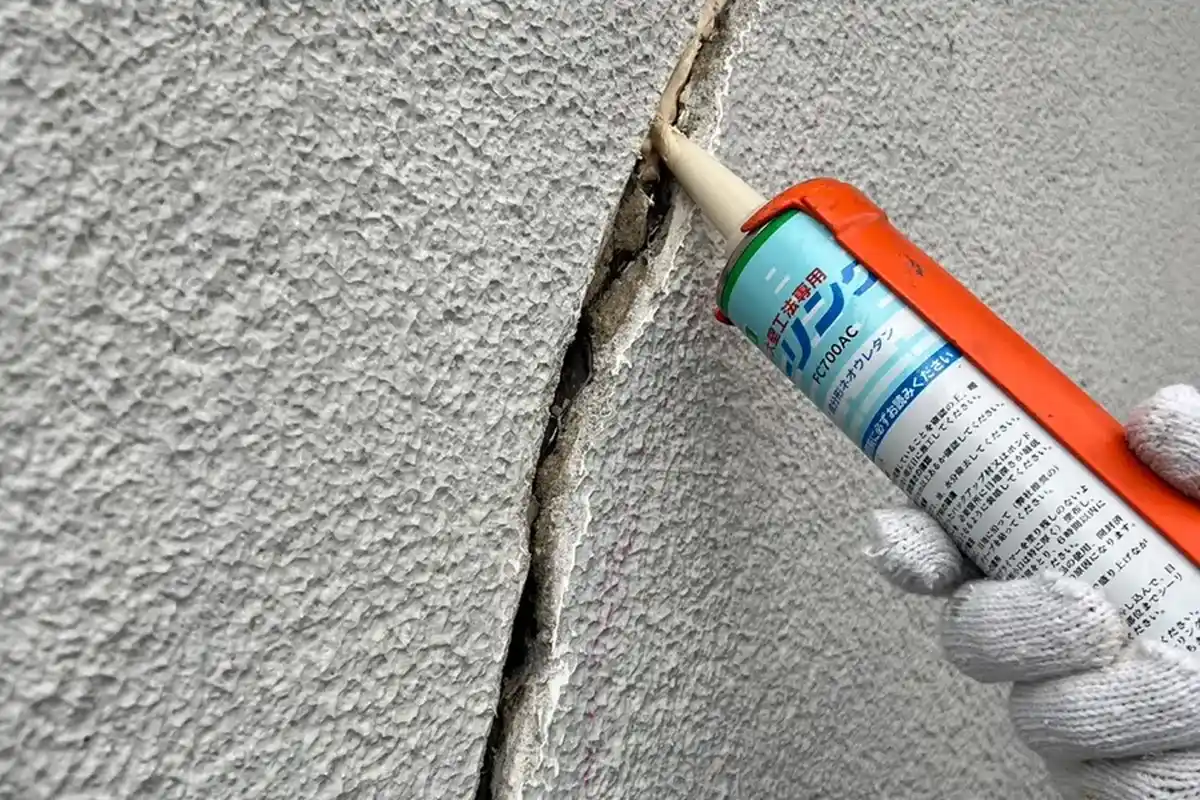
What actually works: Garage doors rarely seal at the corners, and those two small tri
Garage doors rarely seal at the corners, and those two small triangles of daylight are a standing invitation at ground level.
The Smyrna angle: Roofline entries reward climbing mice
Roofline entries reward climbing mice: gable vents, soffit returns and roof junctions all develop gaps as houses age and settle.
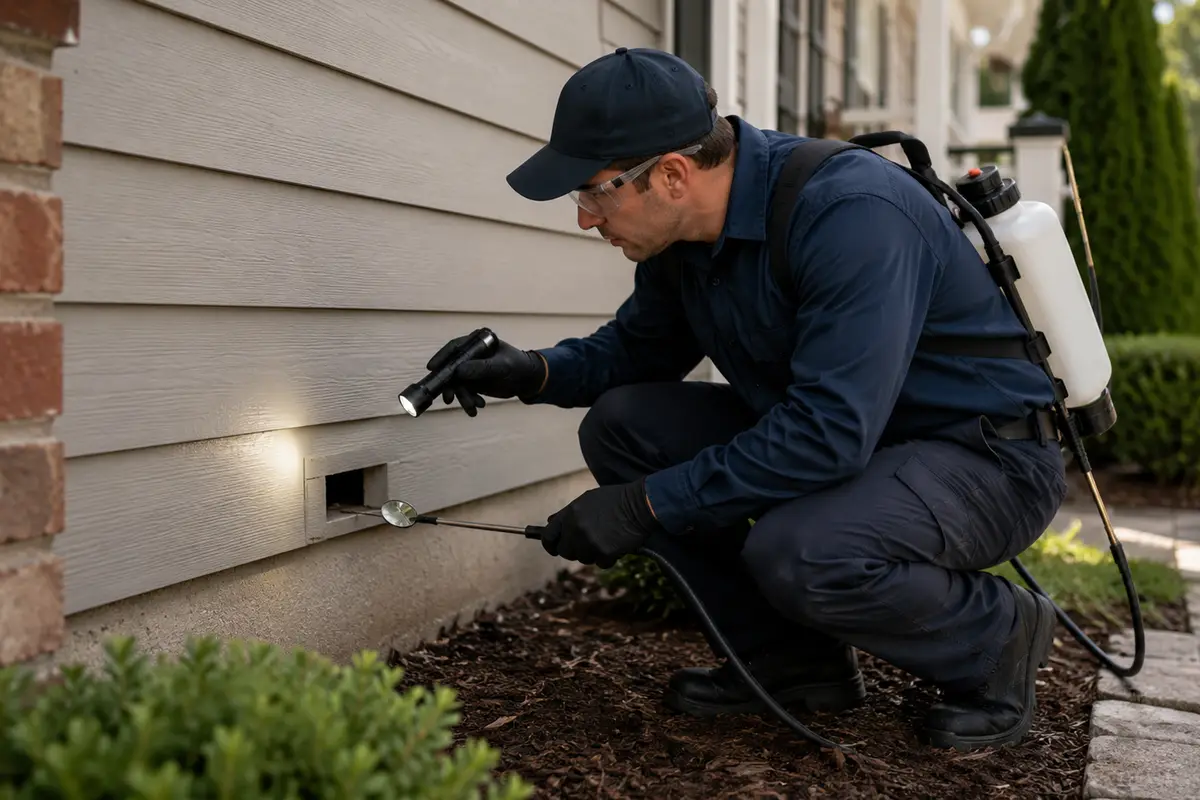
For Smyrna homeowners reading about how do mice get into a house?, the practical next step is usually a mouse inspection that maps entry points before any treatment is chosen — the same inspection-first standard behind local professional mouse control in Smyrna. If the problem is already loud, skip ahead to emergency mouse removal.
Mistakes to avoid: Weep holes in brick are necessary for the wall's health
Weep holes in brick are necessary for the wall's health — they should get breathable inserts, never be caulked shut.
When to call a professional: Mice also walk in
Mice also walk in: doors left open to garages and patios during Georgia's long mild seasons give direct access more often than people admit.
Questions Readers Ask
How do mice get into a house?
Mice get into Georgia houses through gaps as small as a quarter inch — roughly the width of a pencil — around pipes, cables, vents, garage doors and rooflines. The full explanation sits at the top of this guide, with the Smyrna-specific detail in the sections below.
When should a Smyrna homeowner stop DIY and call?
On the question of how do mice get into a house? — when sign keeps appearing after two weeks of your own traps, when activity is in walls or ceilings you cannot reach, or when droppings keep returning — that pattern means entry points are open, and only inspection plus sealing closes the story.
Does this apply outside Smyrna?
This guide answers "How do mice get into a house?" The mouse behavior in it is Georgia-wide, but the housing and seasonal details are written for Smyrna — its ranch stock, tree canopy and cold-snap pattern. The principles travel; the specifics are local, deliberately.
Keep reading on this topic: the guide to Mouse Droppings: What They Look Like and How to Clean Them Safely follows naturally from How Do Mice Get Into Georgia Houses? The Quarter-Inch Answer. When reading turns into needing, the contact page explains exactly what happens when you call.
Reading About Mice Is Step One. The Inspection Is Step Two.
If this guide describes your house, a ground-to-roof inspection turns reading into a plan — with a written quote.
(770) 555-0147 Call Now